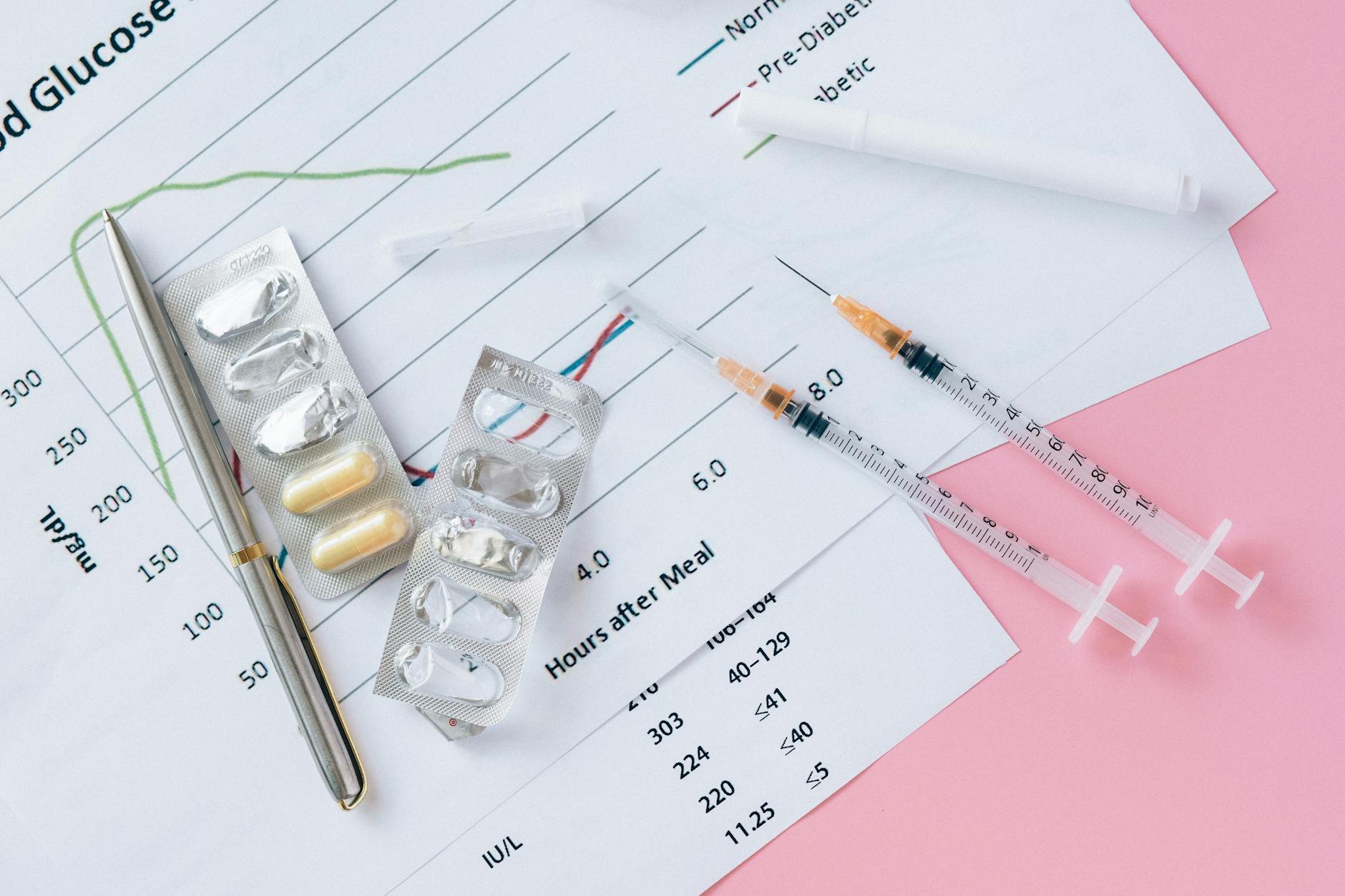
Stubborn hyperglycemia can feel like a standoff between you and your meter. Here's a clinically sound, medication-aware protocol for bringing a high reading down safely—and knowing exactly when to call for help.
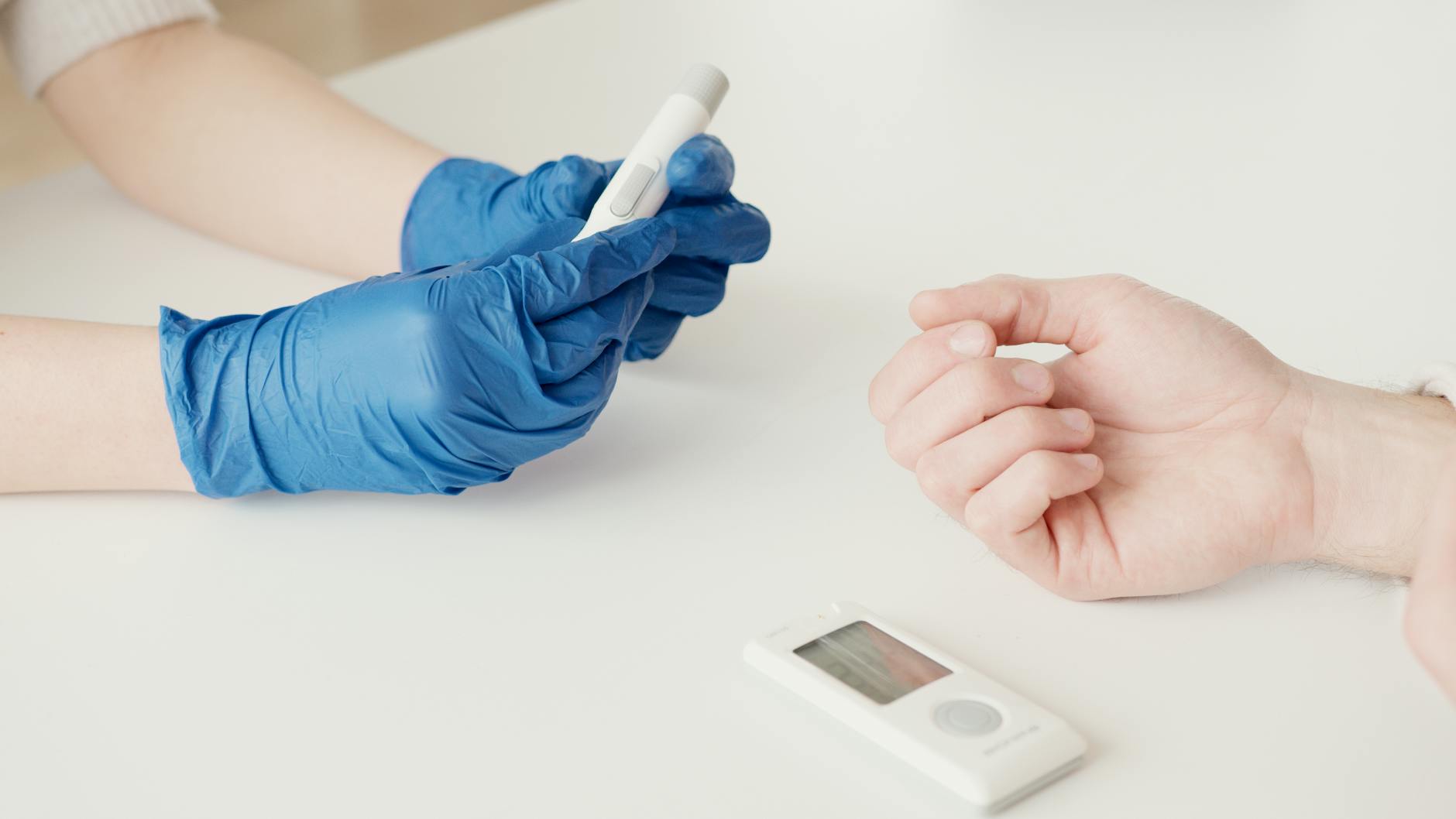
If your blood sugar won't come down, first re-check with a clean fingerstick to confirm the reading, then drink a large glass of water, get moving with a 10–15 minute walk if your ketones are negative, and take your missed medication only if your dosing window allows. Do not "stack" extra insulin out of frustration—repeat correction doses too often can cause a delayed, dangerous low. If your reading is above 240 mg/dL for more than 24 hours, or you have nausea, vomiting, or breathing changes, contact your care team immediately.
The 7-Step Rescue Checklist
When your meter flashes a number that seems welded in place, work through these steps in order. Each buys you useful information—and helps you avoid the most common reason people end up in urgent care: acting on frustration before acting on data.
The single most common mistake in home hyperglycemia management is "re-dose stacking." A patient sees 280 mg/dL, takes a correction dose, checks again at 30 minutes, sees 265, takes another dose—and then two hours later, all of it hits at once. Severe hypoglycemia from stacked insulin is a medical emergency that sends more people to the ER than hyperglycemia itself. If your correction dose hasn't worked after 90 minutes to 2 hours, that's the time to call your provider, not to take another injection.
Why Your Blood Sugar Is Stuck—The Real Causes
A glucose reading that refuses to budge is usually not one problem; it's a stack of small factors compounding. Here's what your body might be doing under the surface.
Can an injection site or infusion set cause a "stuck" reading?
Yes—and this is frequently overlooked in people on insulin pump therapy or multiple daily injections. Lipohypertrophy (thickened, scarred tissue from repeated injections in the same spot) can cause erratic insulin absorption. If you inject into a hardened or lumpy area, the insulin may pool and absorb slowly, causing both high readings and later unpredictable lows. Rotation of injection sites is not cosmetic advice; it's a pharmacokinetic necessity. Also, pump infusion sets that have been in place for more than 48–72 hours can develop tissue reaction that blocks insulin absorption. If blood sugar has been climbing for 12+ hours for no clear reason, changing the infusion site (or choosing an entirely different injection location) is a legitimate troubleshooting step—especially if you see a damp area in your pump site or unexplained glucose trends.
What about illness—why does a cold or flu spike blood sugar?
Infections trigger an inflammatory response that releases cytokines (including TNF-alpha and IL-6), which directly interfere with insulin signaling inside cells. Simultaneously, the body secretes stress hormones—cortisol and adrenaline—that push the liver to release stored glucose. This means even a minor respiratory infection can increase insulin requirements by 20–50%, and a serious infection by up to 100% or more. During illness, the ADA recommends checking blood sugar every 2–4 hours and testing ketones if readings exceed 240 mg/dL—even for people with type 2 diabetes, who are at risk for a complication called hyperosmolar hyperglycemic state (HHS) rather than DKA.[4]
Correction Dosing Done Safely
For insulin users, the "right" way to correct a high reading is not a single universal formula—but there is a safe protocol for deciding when a correction dose is appropriate and how much to give. This is the protocol used in structured diabetes education programs.
Common Mistakes That Sabotage Correction
These are the behaviors we see most often in clinical practice that turn a 1-hour problem into a 24-hour problem. Each one is avoidable.
Taking extra insulin before the first dose has finished working. Rapid-acting insulin's full duration lasts 4–5 hours. If you take a correction dose at 2:00 p.m., see 250 mg/dL at 2:45 p.m. (instead of 300), and then "add" another dose at 3:00 p.m., you now have two doses peaking at overlapping times. The result is often a blood sugar swing from 250 to 60 mg/dL in a matter of minutes—which is more dangerous than a few extra hours of hyperglycemia.
What to do instead: Wait the full duration of action before considering another dose. If you have no idea how much active insulin remains, assume 100% of a dose taken within the last 3 hours is still working.
A high reading that feels wrong is often exactly that—wrong. People who check on a dirty, sticky, or lotion-covered finger routinely see readings 20–60 mg/dL above true capillary glucose. Residual fruit juice or soda on the finger can push readings dramatically higher; residual food with sugar can take a reading into "alarming" territory.
What to do instead: Always wash with warm water and soap, dry thoroughly, and use the side of the fingertip (not the pad, which has more nerve endings—and is more likely to carry contamination). If the second, clean reading is significantly lower, trust the clean one.
The instinct to "walk off" a high reading is dangerous when ketones are present. Physical activity in the presence of ketones forces the body to burn even more fat, accelerating ketone production and tipping the pH balance toward acidosis. This is a direct path to diabetic ketoacidosis (DKA) for people with type 1 diabetes, and a meaningful risk for people with type 2 on SGLT2 inhibitor therapy.
What to do instead: Test for ketones if your reading is above 240 mg/dL. If ketones are positive, skip exercise, hydrate aggressively, and call your provider—do not "exercise through it."
A single stubborn high reading often triggers an aggressive response: skipping a meal, doubling a medication, or fasting the next day. But an isolated high number on one day is a common occurrence—glucose changes in response to stress, sleep, physical activity, and even the weather. Aggressive single-day corrections wreak havoc because they create alternating highs and lows instead of a stable baseline.
What to do instead: Follow the rescue checklist, let the body respond, and track the pattern. If you see the same challenge 2–3 days in a row (for example, always high at 7:00 a.m.), that's a decision point to call your care team for a structured medication adjustment, not to self-treat with increasingly adventurous doses.
What "Doing It Right" Looks Like
Here's what a well-managed response to a stuck high reading looks like across a full day.
Imagine your blood sugar is 310 mg/dL at 2:00 p.m., two hours after lunch. You re-check with a clean finger and get 305. Ketones are trace. Here's the "right" protocol:
- 0–30 minutes: Drink 16 oz of water. Take your correction dose according to your ISF. Wait, don't stack.
- 30–60 minutes: Walk at a moderate pace for 15 minutes (ketones negative, so exercise is safe). Drink another 8 oz of water.
- 90 minutes: Recheck. You see 260. That's progress—25 mg/dL down in 90 minutes. The dose is working; you just need patience.
- 2–3 hours: Recheck. You see 180. Within another hour you're likely at your target. You resisted the urge to stack at minute 30, which means you now avoid the 4:00 p.m. crash.
- Evening: You note the pattern in your log. If this happens again tomorrow at the same time, you'll call your doctor about adjusting lunchtime insulin—because you now have data, not guesses.
When High Blood Sugar Is an Emergency
Sometimes a stubborn high reading is not something to troubleshoot at home—it's a signal that your body has entered a state of metabolic decompensation. The two acute complications of hyperglycemia are diabetic ketoacidosis (DKA) and hyperosmolar hyperglycemic state (HHS). Both require immediate medical attention.[4]
- You have difficulty breathing or are breathing unusually fast and deep
- You are confused, disoriented, or cannot stay awake
- You are vomiting and cannot keep down fluids for more than 4 hours
- Your blood sugar is above 400 mg/dL and you also have ketones
FAQ: Stubborn High Blood Sugar, Answered
What if my blood sugar is 300 and won't come down after insulin?
First, confirm the reading with a washed fingertip. If it's genuinely 300+ even after a correction dose, check for ketones. If ketones are positive, stop home correction entirely and seek medical care. If ketones are negative, the most common culprit is expired or improperly stored insulin—insulin that's been exposed to heat, cold, or light loses potency. Check whether your insulin looks cloudy, crystalline, or otherwise unusual. Also consider: have you been injecting into the same site repeatedly? Site rotation matters specifically to ensure absorption. If you use an insulin pump, change the infusion site. If the high reading persists beyond 4–6 hours with no downward trend, call your provider—this is the point where the situation may require a change in your overall plan, not just a single bigger dose.
What can I eat or drink to lower blood sugar fast?
No food will lower blood sugar—foods either raise glucose or don't. The closest thing to a "food" that lowers it is water with no added sugar. Some evidence shows vinegar (1–2 tablespoons of apple cider vinegar in water, taken with a meal) can modestly reduce post-meal glucose by slowing gastric emptying, but this is not a rescue tool for an already-stuck high reading. Cinnamon, chromium, and berberine have research support for long-term glucose management, but none will drop a 280 mg/dL reading by 30 minutes. Movement (walking) is your best immediate non-insulin intervention—when ketones are negative.
Why is my blood sugar high in the morning even though I haven't eaten?
Morning fasting hyperglycemia has three distinct patterns, and they require different fixes: (1) The dawn phenomenon—normal hormonal surges in the early morning push glucose up, and basal insulin is too low to suppress it. (2) The Somogyi effect—a low blood sugar in the night triggers counter-regulatory hormones that bounce glucose high by morning. This is rarer than once believed and requires a 3:00 a.m. check to confirm. (3) Waning basal insulin—your evening long-acting insulin simply runs out before morning. The ADA recommends checking overnight glucose or using continuous glucose monitoring data to distinguish these patterns before making a dose change.[2] Do not raise your evening insulin dose until you know which pattern you have—treating the Somogyi effect with more insulin is a classic error that worsens both the low and the rebound high.
Can stress or anxiety cause my blood sugar to stay high?
Yes, absolutely. Stress—both acute and chronic—activates the hypothalamic-pituitary-adrenal axis, increasing cortisol and catecholamines. These hormones promote glucose production in the liver and blunt insulin sensitivity in muscle and fat tissue. One study demonstrated that both physical and mental stress increase glucose levels in people with type 2 diabetes, even without any change in diet or medication. So if you're anxious about your blood sugar, that anxiety itself can keep the number elevated. This is a real physiological loop, not a psychological dismissal. A practical strategy: set a fixed-window protocol for rechecking (e.g., every 60–90 minutes), use that time to take slow, deep breaths, and avoid endlessly checking your CGM app—the constant flood of high readings feeds the cortisol loop.
How long does it take for insulin to bring blood sugar down?
Rapid-acting insulin (lispro, aspart, glulisine) begins working within 10–20 minutes, peaks at 60–90 minutes, and generally finishes its action by 3–5 hours. If you inject a correction dose, you should see a measurable drop by 60 minutes, but the full effect manifests at the 2-hour mark. Regular/short-acting insulin (R insulin) is slower: onset in 30 minutes, peak at 2–4 hours, duration up to 6–8 hours. If you haven't seen a meaningful change (e.g., at least a 20–30 mg/dL drop) by 90 minutes post-injection, the insulin may not be absorbing properly—or the dose may simply be too low to overcome your current degree of insulin resistance. That's the point to call your healthcare provider, not to add more.
Is it safe to take an extra dose of metformin to lower high blood sugar?
No. Metformin does not act quickly enough to be used as a correction tool—it works over weeks to months, primarily by reducing liver glucose output and improving insulin sensitivity. Additional doses on a single day add little to immediate glycemic control but increase the risk of gastrointestinal side effects (nausea, diarrhea, stomach cramps), which can lead to dehydration and make hyperglycemia worse. In rare cases, taking extra metformin in the setting of acute illness or dehydration can increase the risk of lactic acidosis, a rare but serious complication. Follow your prescribed regimen exactly. If your glucose is frequently high on your current metformin dose, that's a signal to discuss therapy intensification with your clinician—not to improvise with extra tablets.
Could insulin resistance be so high that my usual dose doesn't work?
Yes—this is exactly what happens during an insulin resistance flare triggered by illness, stress, significant weight gain, or a high-fat, high-carbohydrate meal. As insulin resistance rises, a "standard" correction dose produces a smaller and smaller effect. This is normal physiology: insulin resistance is not a fixed number; it fluctuates. People who are significantly insulin resistant may find that an additional 30 minutes of walking and stronger hydration outperform an extra 2 units of insulin. And if you routinely need unusually large correction doses, ask your care team if your insulin sensitivity factor itself needs recalculating—many people use a correction formula that becomes outdated after weight change or new medication.
- Verify a stuck reading with a clean fingerstick before acting—up to 30% of "alarmingly high" readings are false positives from contamination.
- Test for ketones when blood glucose is above 240 mg/dL. Positive ketones mean skip exercise and call a clinician.
- Hydration and a 10–15 minute walk (with negative ketones) are the two fastest non-insulin interventions for lowering glucose.
- Do not stack correction doses of insulin. Rapid-acting insulin works over hours; re-dose the situation, not the number on the meter.
- If glucose stays above 400 mg/dL, or you have nausea, vomiting, deep breathing, or confusion, seek emergency medical care immediately—do not wait.
- One stuck reading is a data point; a repeating pattern (same time daily) is a signal to contact your care team for a structured medication adjustment.
- American Diabetes Association. "Standards of Care in Diabetes—2026: Acute Complications of Diabetes." diabetes.org
- American Diabetes Association. "Standards of Care in Diabetes—2026: Glycemic Goals and Management Approaches in Type 2 Diabetes." diabetes.org
- U.S. Food and Drug Administration. "Interactive Nutrition Facts Label: Sugars and Sugar Alcohols." fda.gov
- Centers for Disease Control and Prevention. "Diabetes Sick-Day Plan" and "Diabetic Ketoacidosis Overview." cdc.gov
You May Also Like

Ascensia Contour Next Blood Glucose Test Strips for Diabetes – 70 Count (1 Pack) - Accurate, No Coding, Second-Chance Sampling, Compatible with All Contour Next Meters for Easy Blood Sugar Testing

Accu-Chek Guide Glucose Test Strips for Diabetic Blood Sugar Testing (Pack of 100)

OneTouch Verio Test Strips - 60 Count - Diabetic Test Strips for Blood Glucose Meter & Daily Blood Sugar Levels - 30 Count/Pack