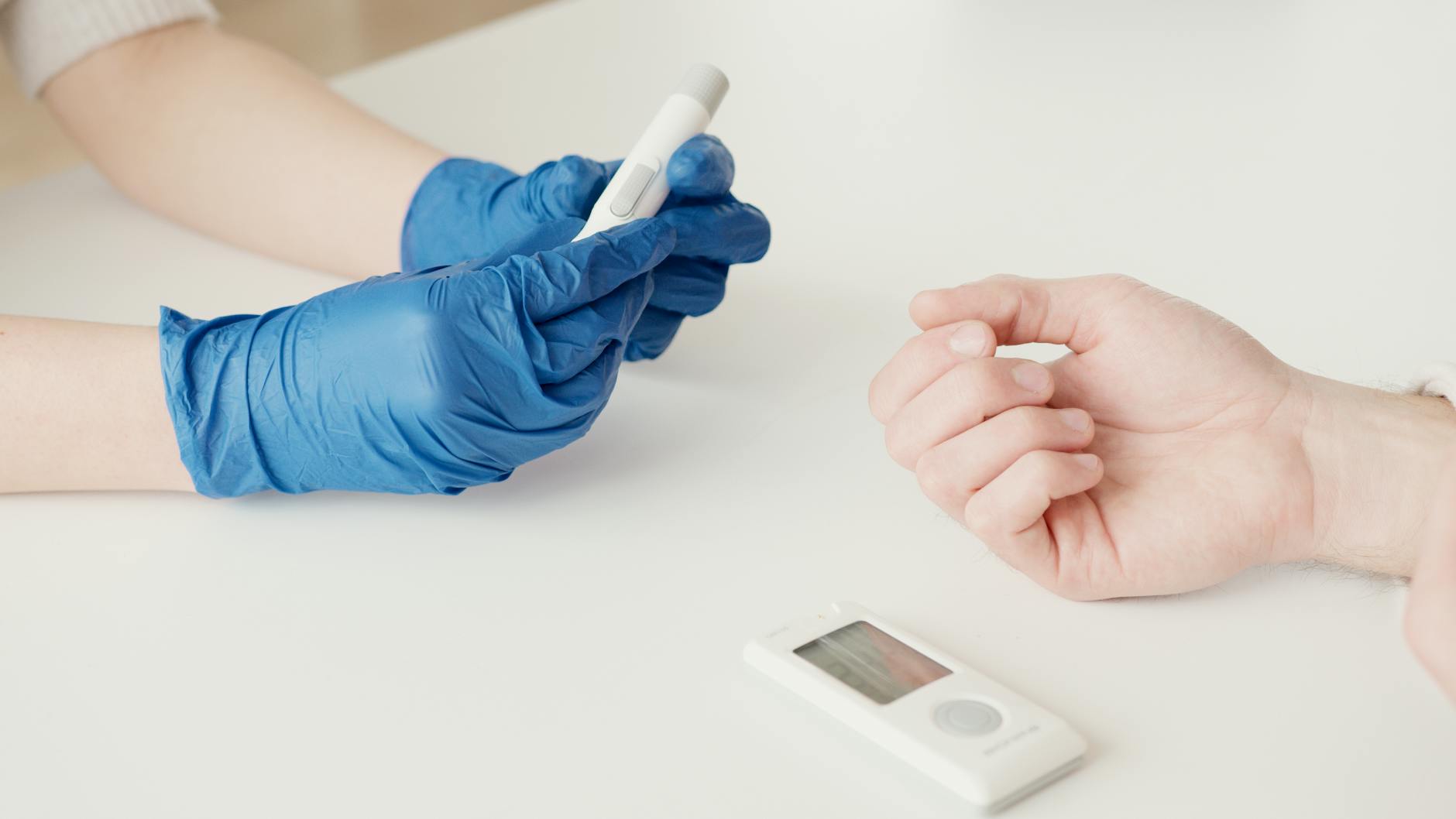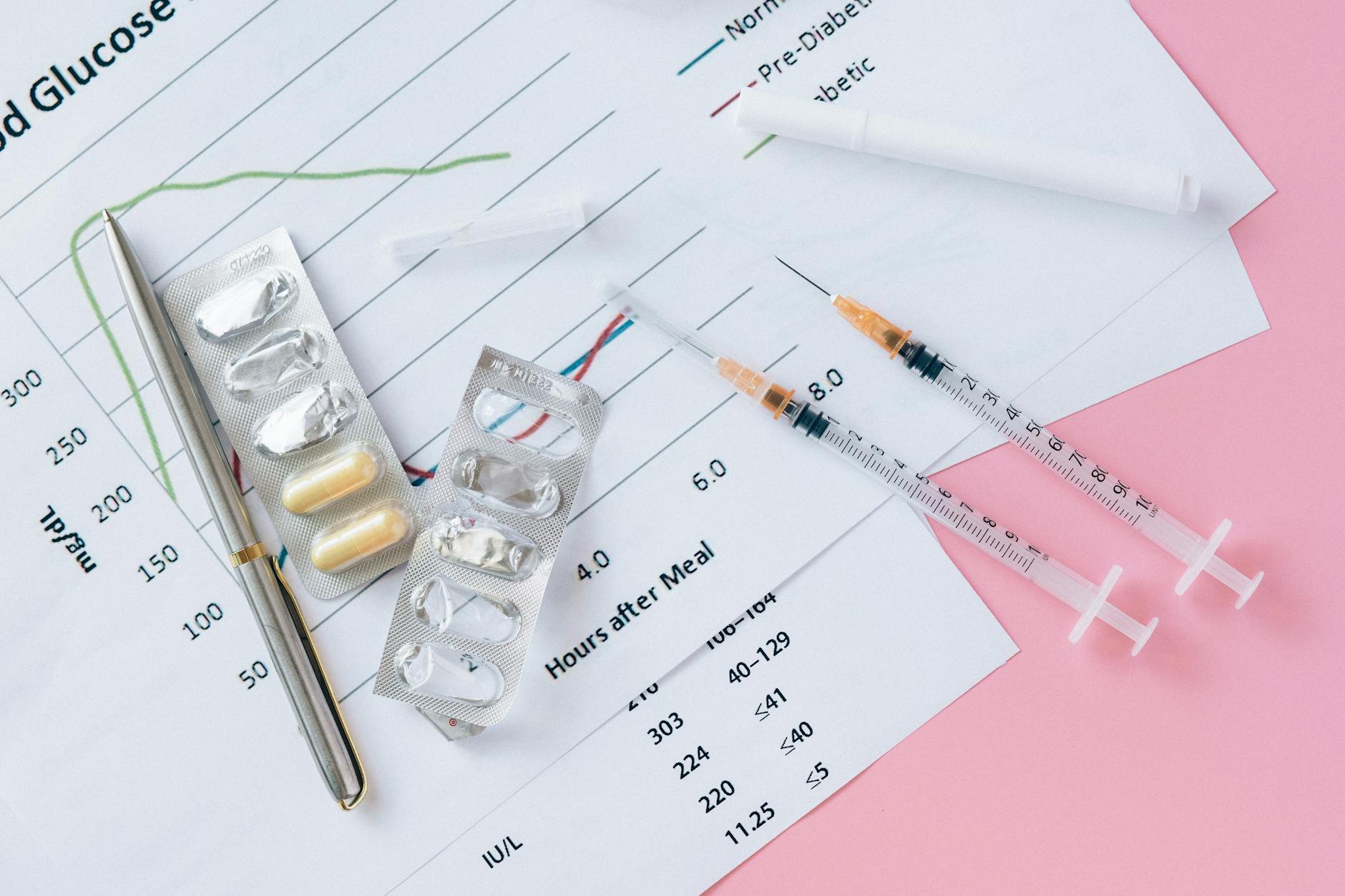
A blood sugar reading above 300 mg/dL is a red flag that needs an immediate, structured response. This guide walks you through the exact order of actions to take — from confirming the reading and hydrating to insulin correction and knowing when 300 is a true emergency.
A blood sugar reading over 300 mg/dL is severe hyperglycemia and requires immediate action: confirm the reading, drink 8–16 oz of plain water, take your prescribed rapid-acting insulin correction dose if you have one, check urine or blood ketones, and retest within 30–60 minutes. Do not exercise if ketones are present, and seek emergency care if you develop vomiting, fruity breath, rapid breathing, or confusion.
- What Counts as a Blood Sugar Over 300?
- The 8-Step Emergency Checklist
- Step-by-Step: The Safe Correction Protocol
- How Fast Will Your Blood Sugar Drop?
- Signs That You Need an ER Right Now
- Why Did This Happen? Common Causes
- Common Mistakes That Make High Blood Sugar Worse
- How to Stop It From Happening Again
- Frequently Asked Questions
What Counts as a Blood Sugar Over 300?
If your meter displays 300 mg/dL (16.7 mmol/L) or higher, you are in the zone of severe hyperglycemia. The American Diabetes Association (ADA) classifies readings above 250 mg/dL as a trigger for ketone testing and closer monitoring — and once you cross 300, the risk of dehydration, electrolyte shifts, and diabetic ketoacidosis (DKA) rises quickly [1].
For context, the ADA's standard glycemic targets are 80–130 mg/dL before meals and a hemoglobin A1C below 7% [1]. A reading of 300 is roughly more than double the pre-meal target. Glucose at that level starts spilling heavily into the urine, pulling water with it — which is why extreme thirst and frequent urination are hallmark symptoms. The body also begins breaking down fat for energy when cells cannot use the glucose, producing acidic compounds called ketones.
This situation does not fix itself. In someone with type 1 diabetes, a blood sugar of 300 plus ketones can progress to DKA within hours. In someone with type 2 diabetes, the danger is usually slower, but a hyperosmolar hyperglycemic state (HHS) can still develop — particularly in older adults who become dehydrated. The single most important mindset shift: a reading over 300 is an active medical event, not a number to "wait out."
The 8-Step Emergency Checklist
Work through these items in order. Do not skip ahead to insulin before confirming the reading or checking ketones — doing the steps out of sequence is where people get into trouble.
Step-by-Step: The Safe Correction Protocol
The checklist tells you what to do; this protocol tells you how to do each step safely. Follow it as a sequence, and keep a written log so your clinician can see exactly when the reading peaked, what you took, and how it responded.
How Fast Will Your Blood Sugar Drop?
There is no universal answer, because the speed of correction depends on the cause, the dose you took, whether you have insulin resistance, and how dehydrated you are. But a useful benchmark: a 10-unit dose of rapid-acting insulin in a person with type 2 diabetes typically reduces blood sugar by 50–100 mg/dL over 1–2 hours. In a person with type 1 diabetes who is insulin-sensitive, the same dose could drop it considerably more.
| Glucose Range (mg/dL) | What It Means | First-Line Action | Retest Timeframe |
|---|---|---|---|
| 140–180 | Mild hyperglycemia; common after meals or steroid use | Drink water; take next scheduled medication dose | At the next scheduled check |
| 180–250 | Moderate hyperglycemia; insulin-resistant state | Extra water, oral medication as prescribed, consider correction insulin per plan | 2–4 hours |
| 250–300 | High hyperglycemia; ketone risk is rising | Hydrate, test ketones, take correction insulin per plan | 1 hour |
| Above 300 | Severe hyperglycemia; treat as an active event | Full correction protocol — hydration, insulin, ketone check, call provider | 30–60 minutes |
| Above 500 | Emergency zone; high risk of HHS or DKA | Go to the emergency department even if you feel fine | Do not wait |
Expect the first noticeable movement after 30–60 minutes. Women and men differ in body water percentage, which slightly alters how diluted a given amount of glucose is, but the bigger variable is insulin resistance — someone on high-dose insulin or with an infection may need a far larger correction dose than the standard formula.
The danger of impatience cannot be overstated. If you take a correction dose and then take a second "boost" 45 minutes later because the number has not moved enough, you can set yourself up for a severe low later when the first and second doses overlap. Rapid-acting insulin peaks around 60–90 minutes and lasts 3–4 hours. Give each dose time to work.
Signs That You Need an ER Right Now
A blood sugar of 300 alone is not automatically an emergency-room situation — many people with diabetes manage it at home successfully. But certain symptoms change the equation instantly. If you have any of the following, stop home management and get emergency medical care now:
If you are the caregiver of a child with type 1 diabetes and see any of these signs, do not wait for the pediatrician's office to open — children can deteriorate into DKA much faster than adults. The same urgency applies to older adults on SGLT2 inhibitor medications, who can develop euglycemic DKA even with blood sugars that look only mildly elevated.
Why Did This Happen? Common Causes
Understanding the trigger for a 300+ reading is not just academic — it determines whether a repeat episode is likely within days. Work through these possibilities with your care team.
Missed insulin doses or insulin pump failure
The most common cause of severe hyperglycemia in type 1 diabetes is a missed mealtime bolus, a forgotten basal dose, or a pump site that has fallen out overnight. If you use a pump, always inspect the cannula and site when your blood sugar is over 300 — a blocked or dislodged site can cause glucose to climb for hours. Ketone formation is especially rapid in this scenario because the body receives zero insulin, not just too little.
Illness or infection
Any infection — a urinary tract infection, a cold, a tooth abscess — triggers the release of counter-regulatory hormones such as cortisol and catecholamines. These hormones directly oppose insulin and raise blood glucose. This is why many people notice surges in blood sugar one to two days before cold symptoms even appear. The ADA recommends a "sick-day plan" with more frequent testing and adjusted insulin doses for exactly this reason [1].
Steroid medications
Prednisone, dexamethasone, and other glucocorticoids are notorious for causing dramatic glucose spikes, often within 24–48 hours of starting treatment. Steroid-induced hyperglycemia can occur even in people who previously had well-controlled diabetes. If you recently started any steroid, report the 300+ reading to the prescribing doctor — the dose may need adjusting, or the glucose may need a temporary insulin plan while the steroid course continues.
Skipped diabetes medications
Running out of metformin, SGLT2 inhibitors, or GLP-1 receptor agonists, or simply forgetting a few doses, can allow blood sugar to climb over the course of a week. Unlike missed insulin, this cause tends to produce a slower rise. The fix is resuming medication as prescribed, but if you have been off a medication for several days, ask your provider whether to restart at full dose or a modified plan.
Dietary overload, especially fat combined with carbohydrate
A meal containing both a large load of refined carbohydrates and a high amount of fat — think pizza, fried rice, or a fast-food combo — can keep blood sugar elevated for 8–12 hours. The fat slows stomach emptying and delays glucose absorption, creating a sustained late spike. If your 300 reading comes after such a meal, aggressive water intake and a correction dose will still work, but expect the number to recover more slowly than after a high-sugar, low-fat meal.
Psychological or physical stress
Stress — whether from a difficult conversation, a hard workout, or lack of sleep — activates the sympathetic nervous system. Epinephrine and cortisol mobilize stored glucose from the liver to fuel a "fight or flight" response. People who are highly insulin-resistant may see a 50–100 mg/dL jump in response to severe emotional stress alone. This is not "all in your head"; it is measurable physiology. Deep breathing, rest, and avoiding additional stimulants like caffeine can help blunt the stress response.
Common Mistakes That Make High Blood Sugar Worse
When the meter reads 300, the instinct to "do something" can lead people to eat a snack, drink juice, or take extra oral meds that are not authorized for correction. Sugar-free fluids and zero-carb protein foods are the only safe options during a hyperglycemic episode. Fast-acting carbs will push the number even higher and delay recovery by hours.
Exercise is a wonderful glucose-lowering tool in general — but not when ketones are positive. Working muscles need energy, and the liver responds by producing even more fat-derived fuel, accelerating DKA. The American Diabetes Association explicitly warns against exercise when blood ketones are elevated [1]. Hydration and insulin are the treatment during this phase; the gym can wait until your sugar is back under 240 mg/dL.
Taking a correction dose, waiting 30 minutes, seeing little change, and taking another "just to help it along" is one of the most common causes of severe hypoglycemic ER visits. Once the first dose peaks — usually around 60–90 minutes — the second dose may overlap and drive glucose into dangerous low territory. Always adhere to the intervals your provider set; never retake a correction dose sooner than instructed.
Rapid-acting insulin that was stored in a hot car, frozen, or exposed to sunlight can lose potency. A squeezed pen, a bent needle, or an infusion set inserted into scar tissue can fail to deliver any meaningful dose. Pain at the injection site, leaking drops after injection, or a demonstrably older vial are reasons to swap to a fresh site and new insulin before assuming your dose is simply "too small."
One episode can be a fluke. Two within a month, however, is a signal that your treatment regimen is no longer matching your physiology. People who dismiss repeated 300+ readings often land in the hospital weeks later with a much more serious complication. Pattern is power: document every episode, and let your clinician see the trend.
How to Stop It From Happening Again
Here is what a sustainable prevention plan actually looks like: set alerts on your continuous glucose monitor (or phone) for readings above 250 mg/dL so you respond early rather than discovering a 400 reading hours later; keep a ready supply of ketone strips and water bottles in the places you spend the most time; write down your provider-approved correction dose and keep it in your phone; and schedule a medication review if you've had two or more episodes above 300 in a month. If your episodes cluster around specific meals, a continuous glucose monitor is the best tool for seeing which foods are the culprit.
The sick-day letter is an often-overlooked lifesaver. Ask your diabetes educator or endocrinologist for a written sick-day protocol that specifies: when to check ketones, which medications to continue or hold, how much fluid to aim for, and the exact threshold for calling the on-call provider or going to the ER. Keep a copy taped to your refrigerator, take a photo with your phone, and give one to a family member who spends time with you.
Also worth reviewing: your insulin storage habits. Rapid-acting insulin should remain stable at room temperature for about 28 days, but it degrades faster when exposed to temperatures over 86°F or below 36°F [3]. If your summer car is hot or your refrigerator freezes insulin stored near the back coil, that vial may be silently losing strength — another reason two identical doses taken a month apart can produce very different results.
Frequently Asked Questions
Should I go to the ER if my blood sugar is 300?
Not automatically. If you have no vomiting, no ketones, no mental changes, and your blood sugar drops after a correction dose, home management is reasonable. Go to the ER if the reading stays above 300 after two correction attempts, if you have moderate or large ketones, if you cannot keep fluids down, or if any neurological symptoms appear. A blood sugar above 500 mg/dL is itself an ER threshold even if you feel fine.
How many units of insulin should I take to bring down 300?
Only your healthcare provider can determine the correct correction dose, because it depends on your insulin sensitivity factor, weight, and current medication regimen. A general example: 1 unit of rapid-acting insulin may lower glucose by 30–50 mg/dL, meaning a 300 reading might need 4–10 units — but this is not a prescription. Taking a correction dose without a provider-approved plan is unsafe.
Can drinking water alone lower my blood sugar from 300?
Water helps — it reduces blood viscosity, supports kidney excretion of glucose, and prevents dehydration that worsens hyperglycemia. However, in type 1 diabetes and most cases of type 2 diabetes requiring insulin therapy, water alone will not correct a level of 300. Insulin is the hormone that actually moves glucose into cells; water is a necessary support, not a replacement treatment.
How long does it take for blood sugar to go down after insulin?
Rapid-acting insulin begins working within 15 minutes, peaks around 60–90 minutes, and keeps working for 3–4 hours. You should see the first measurable drop within 30–60 minutes of the injection. If the number has not moved at all after 60–90 minutes, the dose may be too small, the insulin may be degraded, or there may be a hidden cause like an infection or pump site failure. Contact your care team in that situation.
Can a blood sugar of 300 cause permanent damage?
A single episode of 300 mg/dL is unlikely to cause permanent damage on its own, although the dehydration and electrolyte stress are real. The danger comes from chronic elevation — months and years of glucose running consistently above 180–200 mg/dL lead to microvascular complications like retinopathy, nephropathy, and neuropathy [1]. However, repeated episodes above 300 are a warning sign that cumulative damage is underway, and that the treatment plan needs revision sooner rather than later.
- Confirm a 300+ reading with a second test after washing your hands — false high readings are common from contaminated fingers.
- Hydrate with 8–16 oz of plain water and take your prescribed rapid-acting insulin correction dose; do not exercise if ketones are positive.
- Moderate or large ketones, vomiting, fruity breath, rapid breathing, or confusion are DKA warning signs that require immediate emergency care.
- Retest every 30–60 minutes, and never stack insulin doses before the previous dose has peaked — that is a leading cause of severe hypoglycemia.
- Two or more episodes above 300 mg/dL in a month signal that your treatment regimen needs review; document all episodes and share the pattern with your care team.
- Ask for a written sick-day plan that specifies checking ketones, adjusting insulin, fluid intake goals, and the exact threshold for seeking emergency care.
- American Diabetes Association. Standards of Care in Diabetes — 2026. Available at: https://diabetes.org
- Centers for Disease Control and Prevention. National Diabetes Statistics Report. Available at: https://www.cdc.gov
- MedlinePlus. Hyperglycemia — high blood glucose. Available at: https://medlineplus.gov