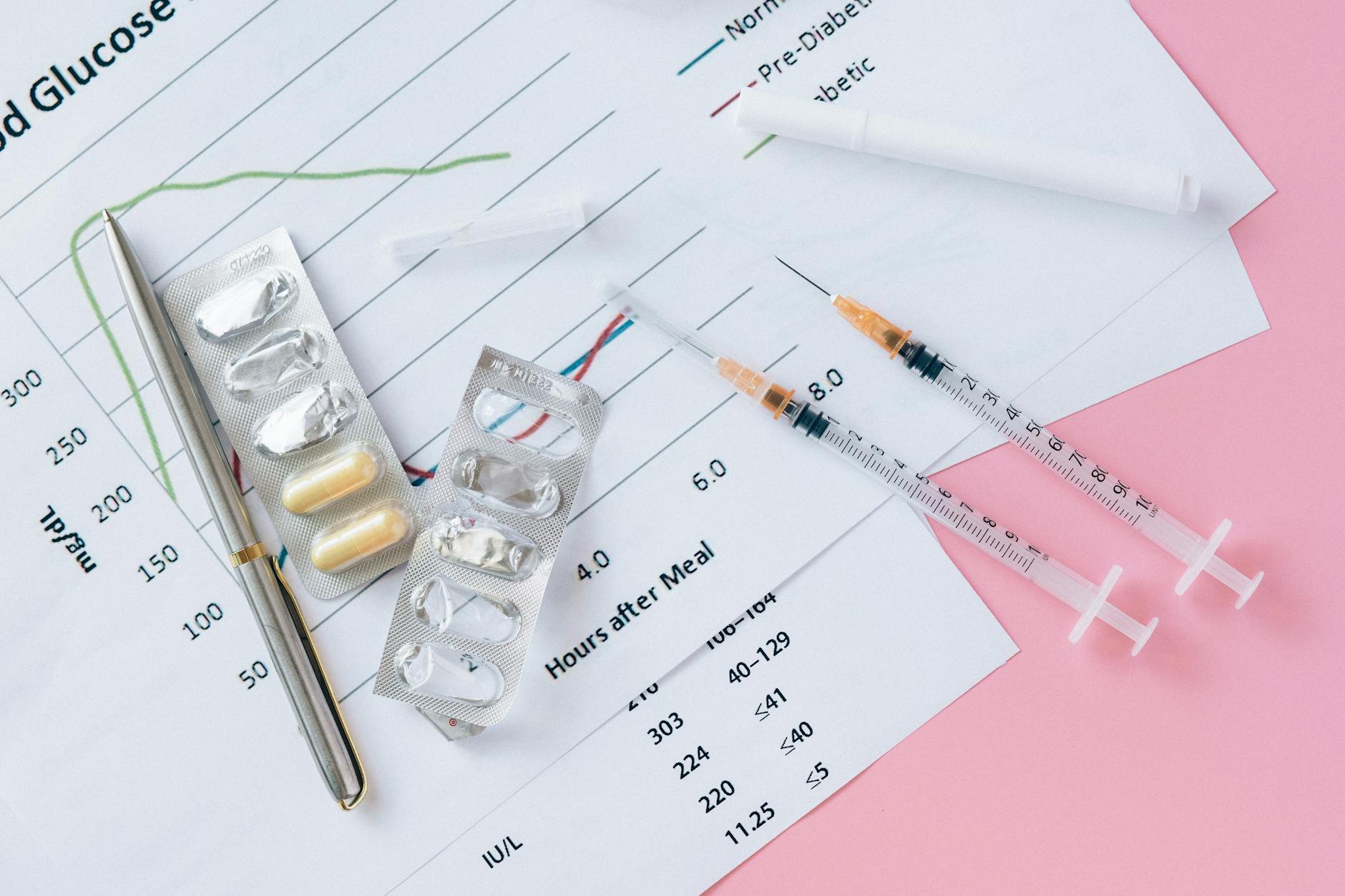
From recurrent yeast infections and PCOS-linked insulin resistance to subtle fatigue patterns — the female body signals diabetes differently. Here’s the evidence-based guide every woman needs.
- Why Diabetes Symptoms Differ in Women
- Unique & Often Missed Diabetes Symptoms in Women
- Hormonal Connections: PCOS, Menopause, and Gestational Diabetes
- Classic Symptoms That Everyone Gets — But Women Should Watch Closely
- Red Flags: When to Seek Emergency Care
- Diagnostic Tests: What Every Woman Should Know
- Common Myths About Diabetes Symptoms in Women
- Frequently Asked Questions
- When to See a Doctor: A Step-by-Step Action Plan
Why Diabetes Symptoms Differ in Women
Biologically, women experience diabetes differently than men. Fluctuations in estrogen and progesterone directly affect insulin sensitivity, meaning symptoms can wax and wane across the menstrual cycle, pregnancy, and menopause. A 2024 study in Diabetes Care found that women with type 2 diabetes are 27% more likely to present with atypical or nonspecific symptoms compared with men, often leading to delayed diagnosis and worse glycemic outcomes.
Hormonal shifts also influence how symptoms present. Low estrogen states — such as after menopause — are associated with increased insulin resistance and higher fasting glucose, according to data from the Women’s Health Initiative (WHI). Many women attribute persistent fatigue, brain fog, and genital itching to stress or aging, when in fact these can be early signs of hyperglycemia.
Diabetes mellitus is defined by the American Diabetes Association (ADA) as a fasting plasma glucose ≥126 mg/dL, a 2-hour OGTT glucose ≥200 mg/dL, an HbA1c ≥6.5%, or a random glucose ≥200 mg/dL with classic symptoms. In women, diagnostic thresholds are identical — but symptom recognition is often delayed.
Unique & Often Missed Diabetes Symptoms in Women
Many women first notice signs that their primary care provider may not immediately connect to blood sugar. These female-predominant symptoms are often overlooked:
Recurrent Yeast Infections (Vulvovaginal Candidiasis)
Elevated glucose in vaginal secretions creates an ideal environment for Candida overgrowth. Women with undiagnosed diabetes often report four or more infections per year. The 2023 ADA Standards note that recurrent vulvovaginal candidiasis in a premenopausal woman is a strong indicator of undiagnosed diabetes or prediabetes. Treatment resistance is common — standard OTC antifungals may fail because glucose levels remain uncorrected.
Urinary Tract Infections (UTIs) and Pyelonephritis
Hyperglycemia impairs neutrophil activity and bladder immune defenses. Women with diabetes have a 2- to 4-fold higher incidence of UTIs compared to nondiabetic women, and are more likely to experience pyelonephritis (kidney infection) that requires hospitalization. A 2025 meta-analysis in BJOG found that 38% of women with recurrent UTIs who were >40 years old had undiagnosed prediabetes or diabetes.
Polycystic Ovary Syndrome (PCOS) as an Early Warning
PCOS affects approximately 10–15% of reproductive-age women and is fundamentally linked to insulin resistance. Up to 70% of women with PCOS have some degree of insulin resistance, and the lifetime risk of developing type 2 diabetes is 3–5 times higher than women without PCOS. Irregular periods, hirsutism, and acne may mask evolving hyperglycemia.
Fatigue, Brain Fog, and Sleep Disruption
Women with type 2 diabetes consistently score lower on subjective energy measures than men with the same HbA1c. Nocturia (waking to urinate multiple times per night) disrupts sleep architecture, and postprandial hyperglycemia triggers inflammatory cytokines that worsen fatigue. Many women mistake this for perimenopausal exhaustion or burnout.
Sexual Dysfunction and Vaginal Dryness
Diabetic neuropathy and vascular insufficiency can reduce clitoral blood flow and vaginal lubrication. A 2024 survey of women ages 40–60 with type 2 diabetes found that 42% reported significant sexual distress — but fewer than 1 in 5 had discussed it with a clinician. This symptom often responds well to glycemic improvement.
“Women with polycystic ovary syndrome should be screened for type 2 diabetes by age 30 — or earlier if additional risk factors such as obesity, a first-degree relative with diabetes, or a history of gestational diabetes are present.”
Hormonal Connections: PCOS, Menopause, and Gestational Diabetes
Three key hormonal life stages directly modulate diabetes risk and symptom presentation in women:
PCOS and Insulin Resistance — the metabolic link
PCOS and type 2 diabetes share a bidirectional relationship. In PCOS, ovarian androgen excess drives abdominal fat accumulation and peripheral insulin resistance, which in turn worsens hyperandrogenism. Metformin remains the first-line insulin sensitizer for women with PCOS who have prediabetes, with additional benefits for ovulation and hirsutism. A 2025 randomized trial (JCEM) found that 500 mg twice daily reduced progression to type 2 diabetes by 31% over 3 years in women with PCOS and impaired glucose tolerance.
Menopause Transition — why risk spikes after age 50
Declining estrogen during perimenopause reduces GLUT-4 transporter expression and promotes visceral fat accumulation. The Study of Women’s Health Across the Nation (SWAN) reported that women in the late perimenopausal stage experience a 15–20% increase in fasting insulin independent of weight gain. Hot flashes and sleep disruption further dysregulate cortisol and growth hormone, amplifying morning hyperglycemia. Hormone replacement therapy (HRT) may modestly improve insulin sensitivity, but the American College of Obstetricians and Gynecologists recommends individualization based on cardiovascular and breast cancer risk.
History of Gestational Diabetes (GDM) — lifetime risk marker
Women with a history of GDM have a sevenfold increased risk of developing type 2 diabetes within 5–10 years postpartum. Despite this, fewer than 50% receive the recommended postpartum glucose screen (75-g OGTT at 4–12 weeks). Symptoms may be subtle during early progression — fatigue, mild polydipsia, and recurrent UTIs are often attributed to motherhood rather than metabolic deterioration. The ADA and ACOG jointly recommend lifelong annual screening for all women with prior GDM.
Classic Symptoms That Everyone Gets — But Women Should Watch Closely
Classic diabetes symptoms — polyuria, polydipsia, polyphagia, and weight loss — occur in both sexes, but women often misinterpret them or present later. A 2024 analysis of emergency department data found that women with new-onset type 1 diabetes were 40% more likely to be initially diagnosed with a urinary tract infection or viral syndrome than men.
Polyuria ≥ 6 times/night — often dismissed as “overactive bladder” or “drinking too much water.” Women may also attribute it to pelvic floor changes after childbirth. A bladder diary can help distinguish: diabetes-related nocturia produces large-volume urination each time, not small amounts.
Unintentional weight loss — when a woman loses 5% or more body weight in 6 months without trying, it may be celebrated rather than investigated. In diabetes, this results from glucosuria-induced calorie loss and catabolic metabolism. Combined with fatigue, it demands an HbA1c check.
Blurry vision and headaches
Hyperglycemia causes osmotic swelling of the lens, shifting refractive power and producing fluctuating vision. Women in their 40s and 50s often attribute this to age-related presbyopia — but presbyopia is steady, while diabetes-related blurriness worsens after meals and improves with glucose control. A 2025 optometry survey found that nearly 1 in 8 women presenting for new glasses actually had undiagnosed diabetes.
Slow-healing cuts, skin changes, and acanthosis nigricans
Hyperglycemia impairs collagen synthesis, microcirculation, and immune cell function. Small scrapes or surgical incisions that take >3 weeks to heal should raise suspicion. Acanthosis nigricans — velvety, dark patches on the neck, axillae, or groin — is a visible sign of severe insulin resistance and is more common in women with PCOS or metabolic syndrome.
If you notice any of the following together, request an HbA1c test even if you feel generally well: frequent nighttime urination + recurrent yeast infections + unusual fatigue + blurry vision after eating. This symptom cluster has a positive predictive value >80% for diabetes in women over 40.
Red Flags: When to Seek Emergency Care
While most diabetes symptoms develop gradually, certain presentations require immediate medical attention. Diabetic ketoacidosis (DKA) and hyperosmolar hyperglycemic state (HHS) can occur in women with undiagnosed or poorly controlled diabetes — and symptoms may be dismissed as “the flu” or severe anxiety.
Do not wait for an appointment. If you or someone you are with has vomiting, rapid breathing, confusion, or blood glucose >300 mg/dL with moderate-to-large urine ketones, go to the nearest emergency department immediately. DKA mortality in women is approximately 2–5% and increases with delayed treatment.
Diagnostic Tests: What Every Woman Should Know
The same diagnostic criteria apply to women and men, but screening recommendations differ based on female-specific risk factors. The ADA advises that all adults with a BMI ≥25 (≥23 in Asian Americans) be screened starting at age 35. Women with any of the following should be screened earlier and more frequently:
| Test | Normal | Prediabetes | Diabetes |
|---|---|---|---|
| Fasting plasma glucose | <100 mg/dL | 100–125 mg/dL | ≥126 mg/dL |
| HbA1c | <5.7% | 5.7–6.4% | ≥6.5% |
| 2-hour OGTT (75 g) | <140 mg/dL | 140–199 mg/dL | ≥200 mg/dL |
| Random glucose† | <140 mg/dL | 140–199 mg/dL | ≥200 mg/dL with symptoms |
† Random glucose ≥200 mg/dL with classic hyperglycemia symptoms is diagnostic.
Women with prediabetes can reduce their risk of progression to type 2 diabetes by 58% with modest weight loss (5–7% of body weight) and 150 minutes per week of moderate aerobic activity (brisk walking, swimming, cycling). The Diabetes Prevention Program showed this effect was strongest in women over 60 and those with a history of gestational diabetes.
Common Myths About Diabetes Symptoms in Women
False. Polydipsia is a late symptom that typically appears once fasting glucose exceeds 180–200 mg/dL. Many women with HbA1c levels of 6.5–7.5% report no unusual thirst. Fatigue, skin changes, and infections often precede thirst by months or years.
Partially false. While excess body weight — especially visceral adiposity — is the strongest modifiable risk factor for type 2 diabetes, lean women can also develop diabetes, particularly if they have PCOS, a strong family history, or belong to high-risk ethnic groups. Approximately 8–15% of women with type 2 diabetes have a normal BMI. Type 1 diabetes and LADA (latent autoimmune diabetes in adults) are also weight-independent.
False. Recurrent vulvovaginal candidiasis is directly linked to elevated tissue glucose levels. The correlation is so well established that the ADA’s 2026 Standards of Care list it as an independent diabetes screening criterion in women ages 25–60.
Misleading. Isolated postprandial hyperglycemia (normal fasting, elevated after meals) is more common in women — particularly during the perimenopausal transition — and can be missed by fasting glucose alone. An HbA1c or 2-hour OGTT is more sensitive for detecting early diabetes in women.
True. Women with a history of GDM have a 7-fold higher lifetime risk of developing type 2 diabetes. This risk persists regardless of current weight or lifestyle, making lifelong annual screening essential.
Frequently Asked Questions
What is the most common first symptom of diabetes in women?
There is no single “first symptom,” but unexplained fatigue coupled with recurrent genital or urinary infections is the most common symptom cluster reported by women before diagnosis. A 2025 UK Biobank analysis found that women who later developed type 2 diabetes were 2.4 times more likely to have visited a clinician for fatigue or UTI symptoms in the 2 years preceding diagnosis compared with matched controls.
Can diabetes symptoms in women be confused with perimenopause?
Yes, significantly. Fatigue, hot flashes (which can mimic hypoglycemia or hyperglycemia sweats), sleep disruption, weight gain, vaginal dryness, and mood changes are common to both conditions. A 2024 survey by the North American Menopause Society found that 1 in 3 women aged 45–55 who presented with perimenopausal symptoms had prediabetes or undiagnosed diabetes. The key differentiating factor is nocturia with large-volume urination — a hallmark of hyperglycemia that is not typical of menopause alone.
How often should women with PCOS be screened for diabetes?
The Endocrine Society and ADA jointly recommend screening every 1 to 2 years in all women with PCOS starting at age 30, or earlier (age 20–25) if additional risk factors are present (BMI ≥25, family history, hypertension, or prior GDM). Both a fasting glucose and HbA1c should be obtained because PCOS-related insulin resistance can elevate HbA1c disproportionately. A 2-hour OGTT is preferred if the woman is planning pregnancy.
What HbA1c level should prompt a woman to seek medical evaluation?
Any HbA1c ≥5.7% (prediabetes) warrants a comprehensive evaluation by a primary care provider or endocrinologist. For women with PCOS, a history of GDM, or strong family history, an HbA1c ≥5.5% may already indicate elevated risk and should trigger lifestyle counseling and more frequent monitoring. An HbA1c ≥6.5% is diagnostic of diabetes and requires prompt initiation of management, including possible pharmacotherapy.
Should I stop contraception if I have diabetes symptoms?
No — not without consulting your clinician. Some hormonal contraceptives can influence insulin sensitivity, but the benefits of pregnancy planning in women with diabetes far outweigh the risks. Unplanned pregnancy in the setting of poorly controlled diabetes carries significant risks for both mother and baby (congenital anomalies, preeclampsia, macrosomia). If you are symptomatic, get tested first, then work with your primary care clinician and gynecologist to choose a contraceptive method that is safe for your metabolic profile (progestin-only options, copper IUD, or low-estrogen pills are common choices).
When to See a Doctor: A Step-by-Step Action Plan
If you recognize any of the symptoms described in this article, do not wait for them to escalate. Early detection of diabetes in women can reduce the risk of complications — including cardiovascular disease, neuropathy, nephropathy, and retinopathy — by up to 50% over a 10-year horizon. Here is your action plan:
Women who recognize and act on early diabetes symptoms — especially when those symptoms include recurrent infections, fatigue, or hormonal changes — can delay or entirely prevent progression to type 2 diabetes. The window of opportunity often spans 3–5 years between first subtle symptoms and a formal diagnosis. Use it wisely.