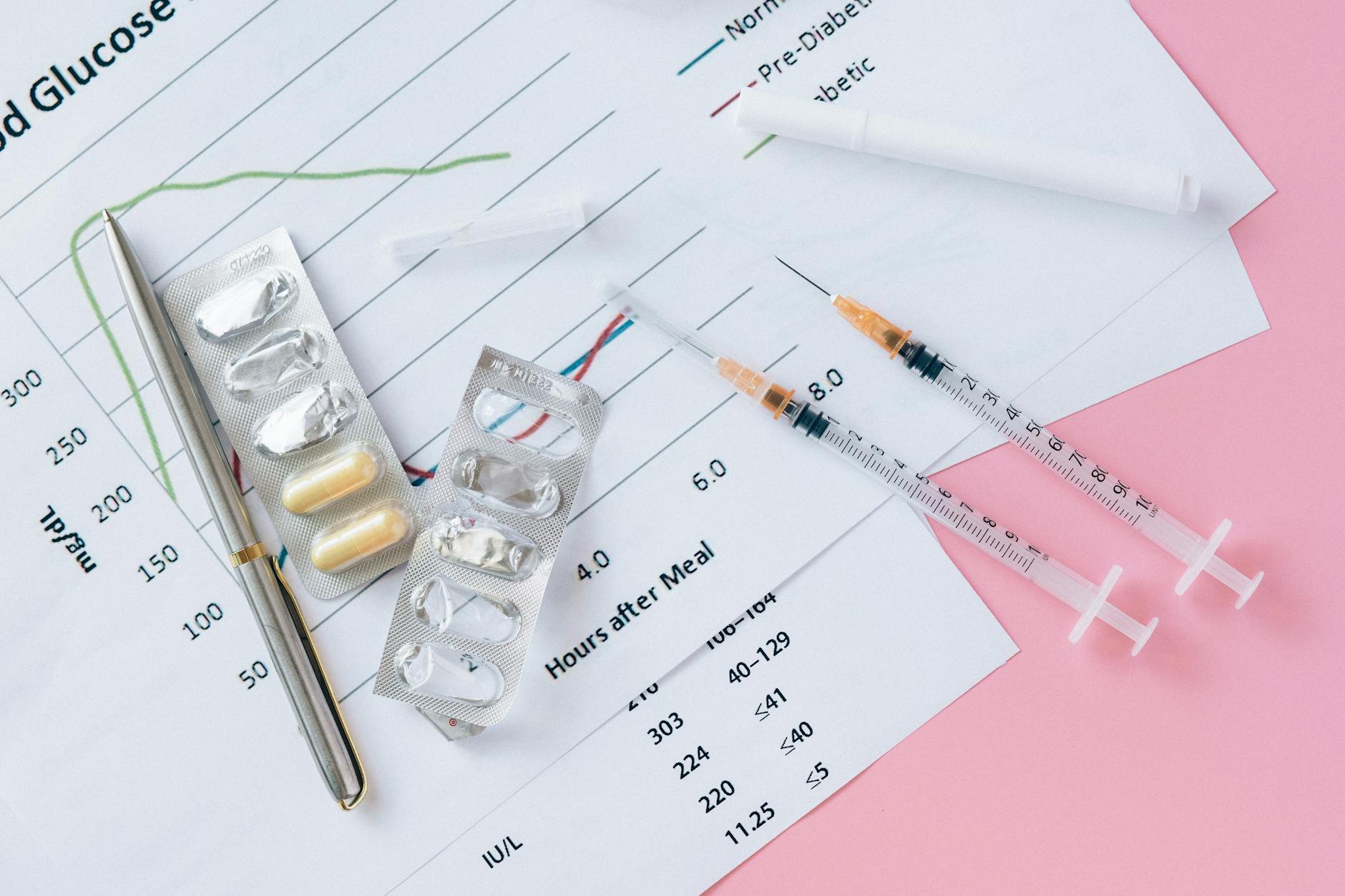
More than 38 million Americans have diabetes — and nearly 1 in 4 don’t know it. Recognizing the early warning cues can save your vision, kidneys, and heart. Here’s what the latest evidence says.
- What Are the Earliest Signs of Diabetes?
- Why Do These Symptoms Occur? — The Physiology Behind Hyperglycemia
- Type 1 vs. Type 2: Different Onset Patterns
- Diagnostic Thresholds: HbA1c, FPG, and OGTT
- When to See a Doctor — Red Flags That Demand Immediate Attention
- Common Myths About Early Diabetes Symptoms
- FAQ: Your Questions Answered
What Are the Earliest Signs of Diabetes?
The classic trio — polyuria (excessive urination), polydipsia (extreme thirst), and polyphagia (unexplained hunger) — remain the hallmarks of undiagnosed diabetes. Yet many individuals experience subtler clues weeks or months before a formal diagnosis. In 2025–2026, the American Diabetes Association (ADA) continues to emphasize that early recognition can delay or prevent complications such as diabetic retinopathy, nephropathy, and neuropathy.
A systematic review published in Diabetes Care (2025) found that over 60% of adults with new-onset type 2 diabetes reported at least one of the following before diagnosis: nocturia (waking to urinate at night), blurred vision that fluctuates during the day, or slow-healing cuts. The ADA recommends opportunistic screening using a risk test (the ADA Type 2 Diabetes Risk Test) for anyone aged 35 or older — or younger if overweight plus one additional risk factor.
Diabetes mellitus is a group of metabolic disorders characterized by persistent hyperglycemia due to defects in insulin secretion, insulin action, or both. The ADA diagnostic criteria (2026) include: HbA1c ≥ 6.5%, fasting plasma glucose (FPG) ≥ 126 mg/dL, 2-hour glucose ≥ 200 mg/dL during an OGTT, or random glucose ≥ 200 mg/dL with classic symptoms.
Why Do These Symptoms Occur? — The Physiology Behind Hyperglycemia
When blood glucose rises above the renal threshold (~180 mg/dL in most people), the kidneys cannot reabsorb all the glucose, leading to glucosuria. Glucose in the urine exerts an osmotic pull, drawing water with it. That explains polyuria — the frequent, large-volume urination that often disrupts sleep. The resulting volume loss triggers polydipsia (intense thirst) as the hypothalamus attempts to restore hydration.
Polyphagia (unexplained hunger despite eating) is more complex. In insulin deficiency or resistance, cells cannot take up glucose effectively. The brain perceives a lack of fuel — despite abundant glucose in the bloodstream — and signals hunger. Paradoxically, weight loss can occur because the body starts breaking down fat and muscle for energy.
If you experience urinating more than 8–10 times per day (especially at night), drinking more than 4 liters of fluid daily without being able to quench thirst, and unintentional weight loss — these are strong indicators of hyperglycemia. Even one of these symptoms lasting >1 week warrants checking your blood sugar.
Other early signs include dry mouth, recurrent infections (urinary tract, vaginal yeast), and blurred vision from osmotic lens changes. A 2024 study in Journal of the Endocrine Society reported that blurry vision was the second most common presenting symptom (after polyuria) in adults under 45.
Type 1 vs. Type 2: Different Onset Patterns
The speed and intensity of early signs differ dramatically. Type 1 diabetes often presents abruptly over days to weeks, especially in children and young adults. Early signs can escalate to diabetic ketoacidosis (DKA) — a life-threatening emergency marked by nausea, vomiting, abdominal pain, deep rapid breathing (Kussmaul respirations), and a fruity breath odor.
Type 2 diabetes usually develops insidiously over months to years. Many individuals have only mild hyperglycemia initially, often without any symptoms. The ADA estimates that type 2 diabetes is present for an average of 4–7 years before clinical diagnosis. During this window, microvascular damage can silently progress.
Abrupt onset (days–weeks) • Polyuria, polydipsia, polyphagia • Rapid unintentional weight loss • High risk of DKA • Usually diagnosed before age 30
Gradual onset (months–years) • Often asymptomatic initially • Fatigue, blurred vision, slow wound healing • Associated with obesity and family history • Typically diagnosed after age 35
Diagnostic Thresholds: HbA1c, FPG, and OGTT
The ADA 2026 Standards of Medical Care in Diabetes define the following cutoff values. Pre-diabetes — a high-risk state — is also important to identify early.
| Test | Normal | Pre-diabetes | Diabetes |
|---|---|---|---|
| HbA1c | < 5.7% | 5.7% – 6.4% | ≥ 6.5% |
| Fasting Plasma Glucose (FPG) | < 100 mg/dL | 100 – 125 mg/dL | ≥ 126 mg/dL |
| 2-hour OGTT | < 140 mg/dL | 140 – 199 mg/dL | ≥ 200 mg/dL |
| Random Glucose (with symptoms) | — | — | ≥ 200 mg/dL |
If you have no symptoms but are ≥ 35 years old, overweight (BMI ≥ 25), or have a first-degree relative with diabetes, ask your primary care provider for an HbA1c or FPG test. The U.S. Preventive Services Task Force (USPSTF) gives this a Grade B recommendation.
When to See a Doctor — Red Flags That Demand Immediate Attention
While many early signs are subtle, certain symptoms require urgent medical evaluation. The following warning signs suggest advanced hyperglycemia or impending DKA (type 1) or hyperosmolar hyperglycemic state (type 2).
If you or someone you know has any combination of the above plus a known or suspected glucose > 250 mg/dL, call 911 or go to the nearest emergency department immediately. Do not wait for a primary care appointment.
Common Myths About Early Diabetes Symptoms
Misinformation can delay diagnosis. Here are four frequently encountered myths — and what the evidence actually shows.
Nearly 25% of diabetes cases are asymptomatic at diagnosis, especially in type 2. Screening based on risk factors — not symptoms — is how many are caught.
Polyuria can begin when blood glucose exceeds 180 mg/dL — a level that is often asymptomatic in the early morning but becomes noticeable by late afternoon.
Early, fluctuating blurriness is often due to osmotic lens changes and can reverse once glucose normalizes. However, untreated chronic hyperglycemia can cause permanent retinopathy.
Rates of type 2 diabetes in adolescents and young adults (ages 12–30) have increased > 100% in the last decade, largely linked to rising obesity.
FAQ: Your Questions Answered
Can early signs of diabetes come and go?
Yes — especially in early type 2 diabetes. Blood glucose levels fluctuate based on meals, stress, and physical activity, so symptoms like thirst or blurred vision may only appear during hyperglycemic spikes. This is why a single normal blood sugar reading does not rule out diabetes.
How long can you have diabetes without knowing?
For type 2 diabetes, the average “lag time” from onset to diagnosis is 4–7 years, according to the ADA. Many people are diagnosed only after developing complications such as foot ulcers, retinopathy, or kidney disease. Regular screening is essential.
What are the first signs in children?
In children, type 1 diabetes often presents acutely with bed-wetting (nocturnal enuresis) in a previously toilet-trained child, irritability, weight loss despite normal or increased appetite, and a fruity breath odor. Parents should check a fingerstick glucose if these occur.
Can I check for diabetes at home?
Yes — you can purchase a blood glucose meter at any pharmacy (no prescription needed). A fasting fingerstick > 126 mg/dL or a random reading > 200 mg/dL with symptoms suggests diabetes. However, these should be confirmed by a lab test (HbA1c or FPG). Do not self-diagnose or adjust medications without a provider.
Is it possible to reverse early diabetes?
“Remission” of type 2 diabetes is achievable for some, especially when diagnosed early. The DiRECT trial showed that 46% of participants who lost > 10% of body weight within the first year maintained remission at 2 years. Remission is defined as HbA1c < 6.5% for at least 3 months without glucose-lowering medication. Type 1 diabetes cannot be reversed because it involves autoimmune destruction of beta cells.